
If you have seen “PEC” on a hospital form, an HMO card or a health plan, it stands for pre-existing condition. Understanding what counts as a PEC, and how your HMO covers it, helps you avoid surprises when you need care.
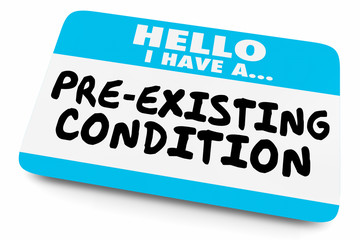
A pre-existing condition (PEC) is a health problem you already had, or knew about, before your health plan started. It usually refers to long-term (chronic) conditions that need ongoing treatment, such as:
A condition is usually treated as pre-existing if it was diagnosed before your plan started, or if you had symptoms and were receiving treatment for it.
Because a pre-existing condition is already known and needs regular care, many HMOs treat it differently from new illnesses. A PEC may be:
You may also see “PEC and chronic” on an HMO card, app or benefits list. This refers to the benefits for pre-existing and long-term conditions, such as regular specialist reviews, tests and monthly medicines.
Personal plans. Pre-existing conditions are excluded from the base personal plans, but hypertension, diabetes, osteoarthritis and peptic ulcer disease are covered with an active PEC extension. Depending on the condition, the extension includes:
See the full list on the pre-existing conditions page and the personal plan exclusions.
Company plans. Reliance HMO’s company health plans include cover for pre-existing conditions such as diabetes and hypertension, as well as newly diagnosed chronic conditions.
Plans for older parents. Alafia’s Serenity plans cover pre-existing conditions such as diabetes and hypertension, with free delivery of prescription drugs.
When you join a health plan, tell your HMO about any conditions you have. It may feel safer to leave them out, but most HMOs can refuse claims related to conditions that were not declared. Declaring them means you can get the right cover, such as a PEC extension, and your doctors have the information they need to treat you safely.
Read our guides to diabetes in Nigeria and high blood pressure.
What does PEC mean in medical terms?
PEC stands for pre-existing condition: an illness or health problem that you had before your health plan began.
What does PEC status mean?
It usually shows whether a pre-existing condition is recorded on your plan and whether it is covered, for example through an active PEC extension.
Is hypertension a pre-existing condition?
Yes, if you were diagnosed or treated for it before your plan started.
Will my HMO cover complications of a pre-existing condition?
It depends on the plan. On Reliance HMO’s personal plans, complications such as stroke or heart failure arising from a pre-existing condition are listed among the exclusions. Check your plan’s benefits and exclusions.
Can I get health insurance if I have diabetes or high blood pressure?
Yes. Choose a plan that covers pre-existing conditions, such as a company plan, a Serenity plan, or a personal plan with a PEC extension.
Benefits are correct at the time of writing and may change. Check your current plan documents for details.


