
Infectious Disease & Typhoid:
The Fever That Doesn’t Look Serious… Until It Is

Ayo* didn’t think much of it at first.
It was early in the rainy season when the fever started, Not sudden, not intense, just enough to make him feel slower than usual. He assumed it was malaria. He took medication, rested when he could, and continued with his routine.
Two days later, the fever hadn’t broken. His appetite disappeared. His stomach felt unsettled. When diarrhoea followed, friends told him it was probably “malaria and typhoid” and suggested antibiotics from a nearby pharmacy.
Nearly a week after the symptoms began, Ayo arrived at a clinic weak, dehydrated, and confused. Tests confirmed typhoid fever that had progressed untreated. What began as a mild fever had developed into sepsis, a dangerous response to infection that required hospital admission and weeks of recovery.
Ayo survived. Many people do not get care in time.
(*Name changed for privacy.)
Fever is one of the most common reasons people seek medical care in Nigeria, and also one of the most frequently underestimated.
Typhoid fever does not become obvious as soon as it starts. It starts quietly, often over several days, convincing people there is no urgent reason to seek medical attention. This is especially common during the rainy season, when typhoid cases increase due to contaminated water sources and unsafe food handling.
Nigeria is endemic for typhoid, yet many people still do not clearly understand what it is. It is often spoken about together with malaria – “malaria and typhoid” – as though they are one condition. They are not.
Malaria and typhoid are caused by different organisms, diagnosed differently, and treated differently. Treating one as the other delays appropriate care. These delays are one of the reasons untreated infections remain a major contributor to sepsis, now one of the most common serious infection diagnoses seen in healthcare settings.
Sepsis occurs when the body’s response to an infection becomes overwhelming, affecting multiple organs and rapidly becoming life-threatening.
What often starts as something mild and manageable can escalate within days when early treatment is missed.
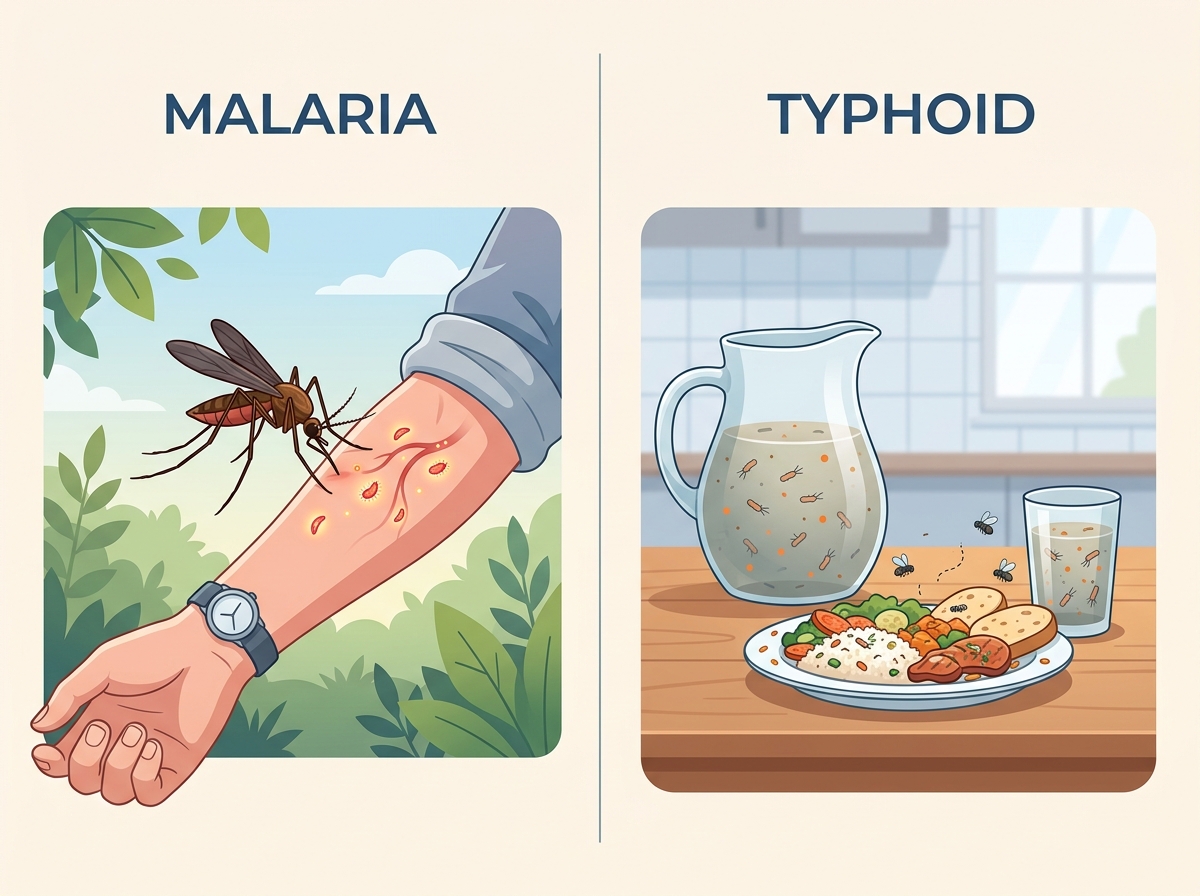
Typhoid fever is a bacterial infection caused by Salmonella Typhi. It spreads primarily through food or drinking water contaminated with human waste. Once ingested, the bacteria multiply in the intestines and gradually spread into the bloodstream, affecting multiple organs if untreated.
Because the illness progresses slowly, many people continue with daily activities long after their body is under strain. This delay matters. Clinical evidence shows that early antibiotic treatment reduces typhoid‑related complications by up to 75%. Every additional day without proper care increases risk.
One reason typhoid is so often missed is that its symptoms develop gradually, often blending into everyday discomfort.
In the first few days, typhoid may present with:
This is the stage when many people wait or self‑medicate.
As the infection advances:
Severe Symptoms and Warning Signs
Without timely treatment, serious complications may develop, including:
A fever that does not improve after 48–72 hours, especially when accompanied by stomach symptoms or weakness, should never be ignored.
Diarrhea: What Many People Get Wrong
diarrhea often causes panic and immediate use of antibiotics. However, not all diarrhea is typhoid, and not all diarrhea requires antibiotics.
Many diarrheal illnesses are caused by viruses or food‑related infections and can be safely managed with oral rehydration solutions (ORS). This is especially important for children, who are at higher risk of dehydration and its complications.
Unnecessary antibiotic use contributes to resistance and makes serious infections harder to treat later. Proper assessment matters more than guesswork.

One of the most overlooked facts about typhoid is how preventable it is. About 60% of typhoid cases can be prevented through improved water safety and vaccination.
Clean drinking water, proper food handling, and good hand hygiene remain essential. Vaccination adds an important layer of protection, particularly for children and families in higher‑risk environments.
For this reason, typhoid vaccines for children and adults are available at Reliance Family Clinics, supporting prevention before illness begins.
Medical misinformation remains a major challenge in managing typhoid. Outdated or misunderstood tests, such as reliance on the Widal test without proper clinical context can lead to misdiagnosis and delayed treatment.
Typhoid cannot be reliably diagnosed by symptoms alone. Accurate testing and clinical evaluation are essential for getting treatment right from the start.
At Reliance Health, low‑risk cases can often be assessed early via telemedicine, where you can call or chat with a qualified doctor. When fever persists or symptoms worsen, visiting a Reliance Family Clinic close to you within 24 hours enables prompt testing and treatment, preventing complications before they escalate.

Untreated gastrointestinal infections don’t only affect individuals, they affect organisations. Preventable infections are a major cause of missed workdays and reduced productivity.
Reliance Health supports employers through safe food‑handling health talks and food handlers’ testing for staff, helping organisations reduce preventable illness and protect their workforce. HR leaders can request these services directly through Reliance Health.
Typhoid rarely begins as an emergency. It whispers through a lingering fever, subtle stomach symptoms, and tiredness that feels easy to ignore.
But waiting has consequences.
With accurate information, early care, safe water practices, vaccination, and proper diagnosis, typhoid does not have to become serious.
If a fever persists, don’t wait.
Talk to a doctor early on the Reliance Care App with your Reliance HMO Plan. It makes all the difference.
Reliance Health is here to help you recognise symptoms early, access the right care, and prevent complications before a quiet fever becomes something more.