
Respiratory health is often only taken seriously when breathing becomes difficult. Yet conditions like asthma, allergies, and respiratory infections affect millions of people every year, often starting with symptoms that feel mild or easy to ignore.
Asthma is one of the most common chronic respiratory conditions globally. It affects both children and adults, with an estimated 10 to 15 percent of Nigerians living with the condition. Many cases remain undiagnosed or poorly controlled, which increases the risk of complications.
At the same time, upper respiratory infections are among the most frequent reasons for hospital visits, ranking as the 5th most common diagnosis in many healthcare settings. Together, they highlight how important ongoing respiratory care is, not just emergency treatment.
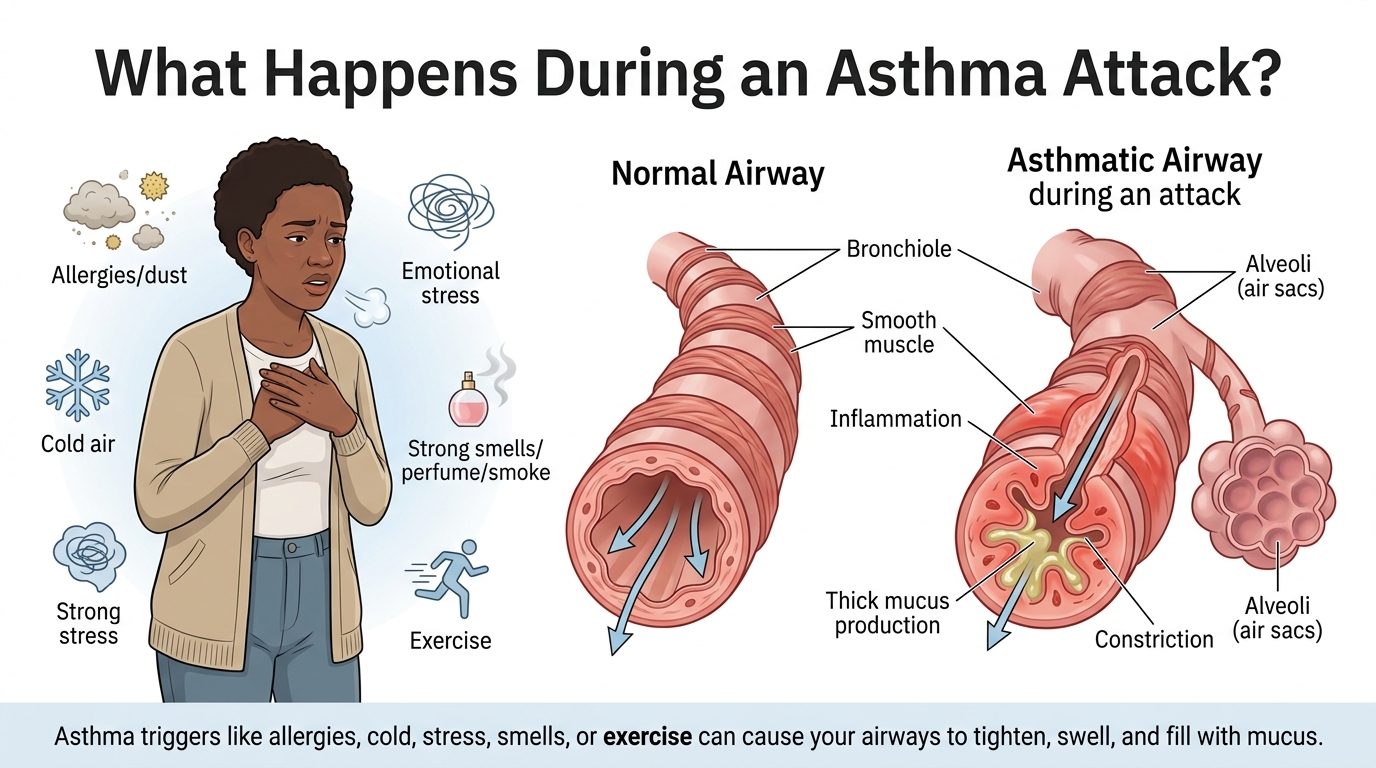
Asthma is a long-term condition that affects the airways in the lungs. These airways become inflamed and overly sensitive, which makes them react strongly to triggers that would not usually cause breathing problems.
During a flare-up, the airway walls swell, the muscles around them tighten, and mucus production may increase. This narrows the airways and reduces airflow, making breathing feel tight or difficult.
For many people, asthma symptoms come and go, which can make the condition easy to underestimate until it becomes more severe.
Asthma symptoms vary from person to person. Some people experience frequent symptoms, while others only notice them during triggers such as exercise, weather changes, or infections.
Common symptoms include wheezing, shortness of breath, chest tightness, and a persistent cough that often worsens at night or early morning.
In more severe cases, breathing can become significantly restricted, making it difficult to speak or carry out normal activities. These episodes require immediate medical attention.
Asthma often starts quietly and is mistaken for “just a sensitive chest” or repeated colds. The early signs usually show a pattern over time rather than a single strong episode.
You may want to get checked if you notice:
If these signs keep showing up over weeks or months, it may be more than a simple cold or temporary irritation. Speaking to a doctor early helps confirm what is going on and prevents the condition from worsening.
For quick concerns like cough, catarrh, or sneezing, a telemedicine consultation with your Reliance HMO plan can help you understand what is going on before it becomes more serious.

Asthma is strongly influenced by the environment. In cities like Lagos and Abuja, air quality plays a significant role in respiratory health. Dust, smoke, traffic emissions, and industrial pollution can all irritate the airways.
Other common triggers include strong smells such as perfumes or cleaning products, cold air, mold, respiratory infections, and seasonal allergies. Even stress or physical exertion can worsen symptoms in some individuals.
Because triggers differ from person to person, identifying personal patterns is key to long-term control.
Not every cough or cold is harmless. While most upper respiratory infections improve within a few days, some symptoms should not be ignored.
A cough that lasts longer than a few days to one week, persistent cough, worsening shortness of breath, or fever that does not improve may signal an underlying issue. This is especially important for people living with asthma or other chronic lung conditions.
In cases like this, it is better to move from self-monitoring to a proper clinical assessment at a Reliance Family Clinic near you. Early evaluation helps prevent complications and reduces the risk of worsening illness.
Asthma is diagnosed through a combination of symptoms, medical history, and lung function tests that measure how well the airways are working.
Once diagnosed, treatment focuses on control rather than cure. This usually includes preventive medication to reduce inflammation and reliever inhalers for sudden symptoms.
For people already diagnosed with asthma, a periodic check-up is important to confirm that symptoms are still controlled and that inhaler technique is correct. Small errors in usage can reduce how effective treatment is.
Asthma does not have to limit daily life. With proper management, most people can work, study, exercise, and live normally.
The key is consistency. Stopping medication, ignoring early warning signs, or delaying care can lead to more frequent flare-ups and avoidable emergencies.
When symptoms are well understood and monitored early, most severe attacks can be prevented.
Asthma and other respiratory conditions are manageable, but they require attention before they become severe.
If you live with asthma, regular follow-up helps keep symptoms stable over time. If you notice persistent respiratory symptoms, it is better to speak with a doctor early than wait for them to worsen.
You can start with a quick telemedicine consultation on the Reliance care App for mild symptoms or book a clinic visit when symptoms persist or become more intense.
Your respiratory health is very important, don’t gamble with it.
Read more: Is Drinking Cold Water Bad for You? Myths vs Facts and Preventive Care to Improve Health Outcomes.

What you eat every morning can help you manage high blood pressure (hypertension).…
READ MORE