What you eat shows on your skin. Foods rich in water, vitamins A, C and E, healthy fats and protein help your skin repair itself, stay hydrated and protect against sun damage. You don’t need expensive products to get a natural glow. Here are the best fruits and foods for glowing skin, most of them easy to find in Nigerian markets.
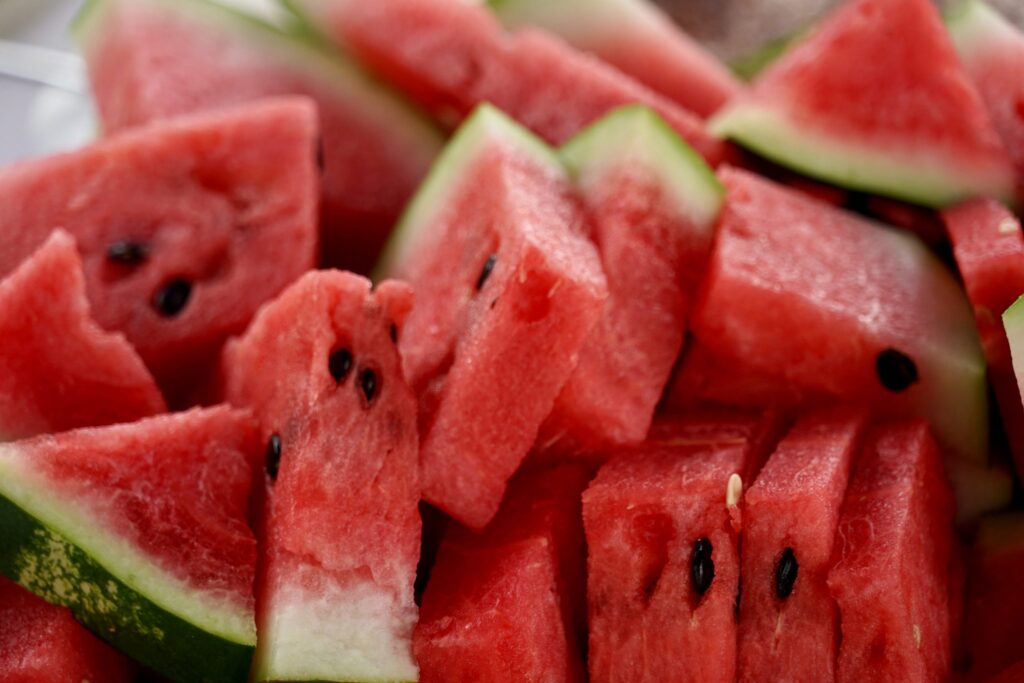
1. Watermelon. Watermelon is over 90% water, so it helps keep you and your skin hydrated. It also contains vitamin C and lycopene, an antioxidant that helps protect skin cells.
2. Oranges and other citrus fruits. Oranges, tangerines and grapefruit are rich in vitamin C, which your body needs to make collagen, the protein that keeps skin firm. Vitamin C also helps protect against damage from the sun.
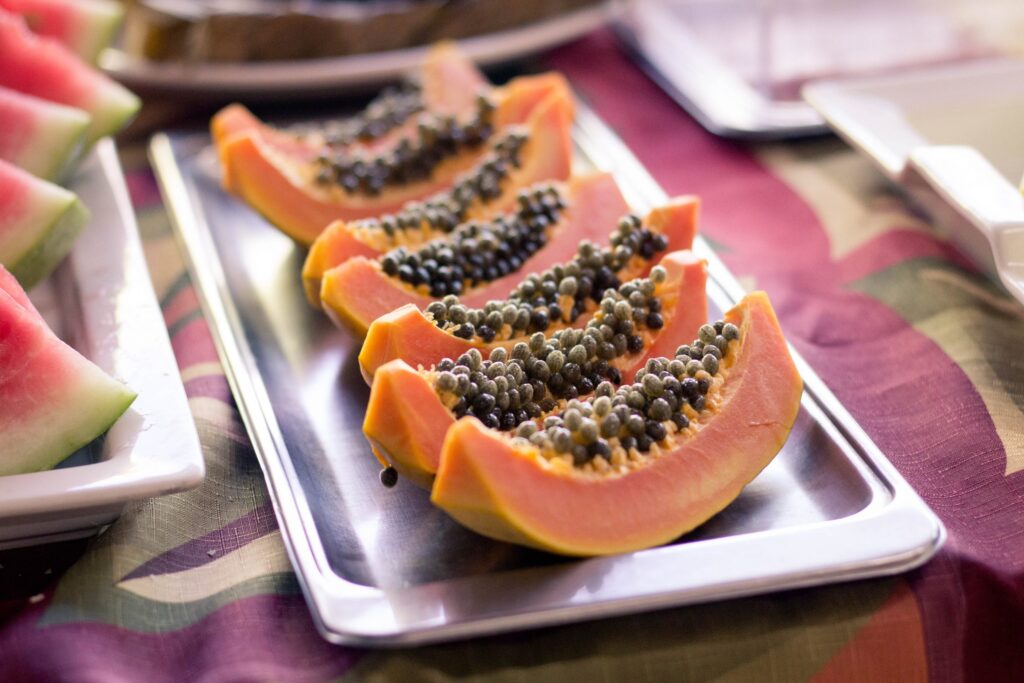
3. Pawpaw. Pawpaw provides vitamin C and beta-carotene, which the body turns into vitamin A for healthy skin renewal.
4. Mango. Another good source of vitamins A and C, and in season across Nigeria for much of the year.
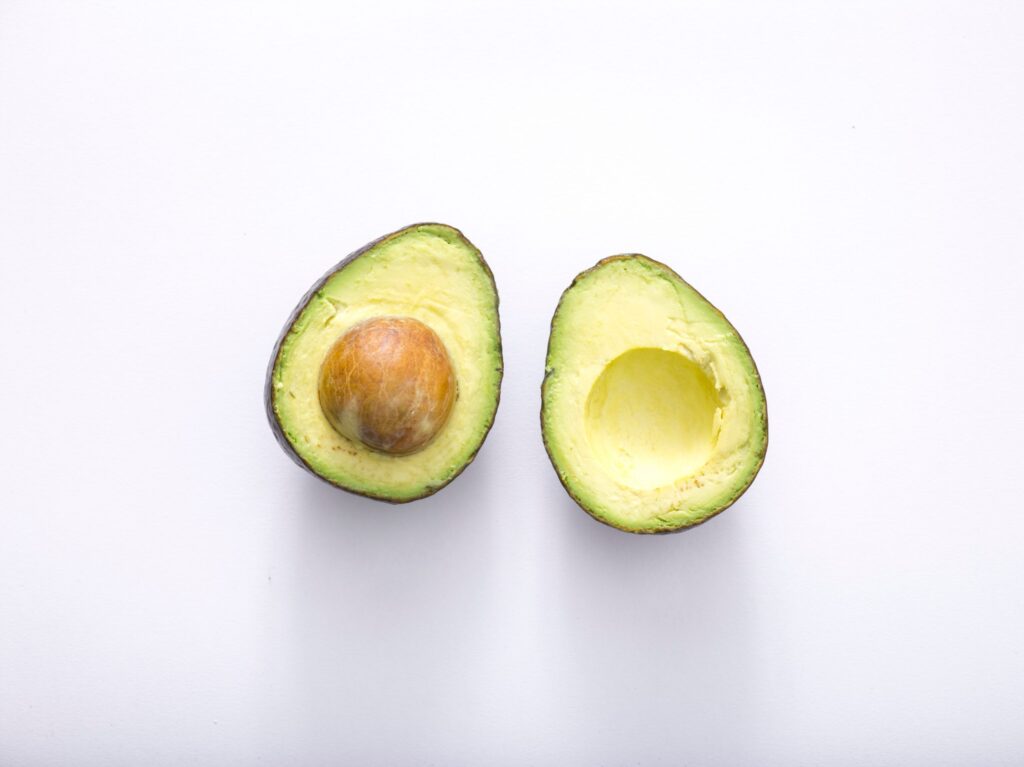
5. Avocado (pear). Avocados are rich in healthy fats and vitamin E, which help keep skin supple and moisturised. They’re especially good if you have dry skin.
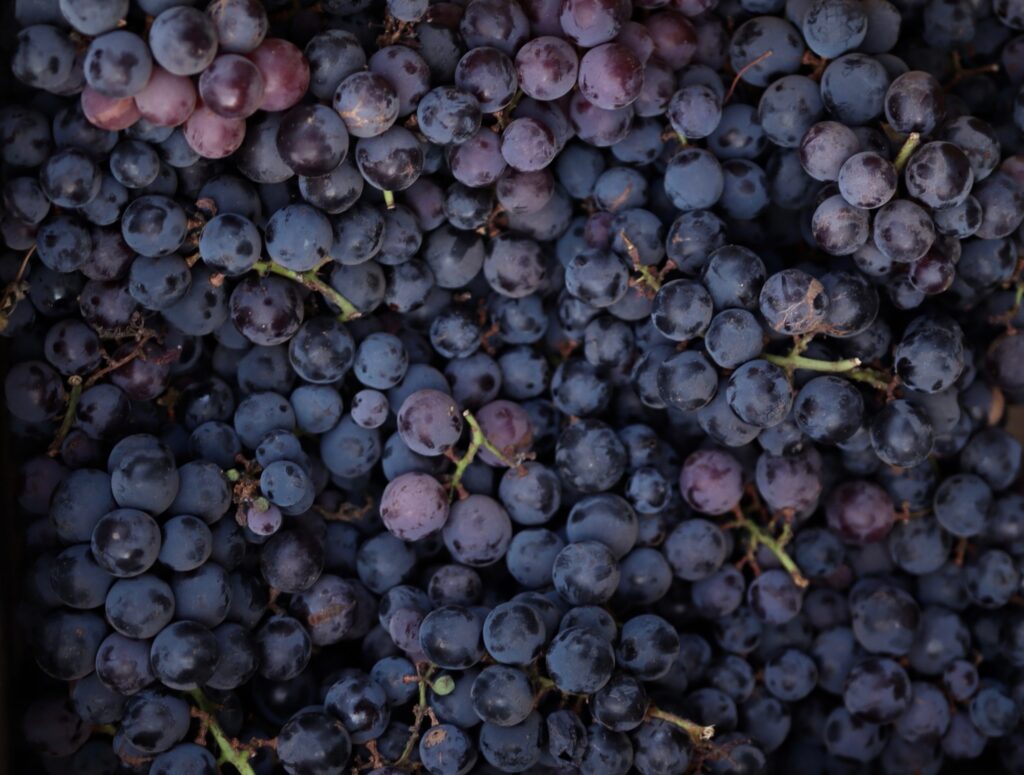
6. Grapes and berries. They contain antioxidants such as resveratrol that help protect skin cells from damage.
7. Orange sweet potatoes and carrots. Both are packed with beta-carotene. Vitamin A helps skin renew itself, and a diet rich in carotenoids can give the skin a healthy, warm tone.
8. Dark leafy vegetables. Ugu, efo tete and waterleaf provide vitamins A, C and E, plus antioxidants.
9. Oily fish. Sardines, mackerel (titus) and salmon are rich in omega-3 fats, which help reduce inflammation and keep skin moisturised.
10. Eggs. Eggs provide protein your skin uses to repair itself, plus biotin, zinc and vitamin A.
11. Beans. Beans are an affordable source of protein and zinc, both important for healing and healthy skin.
12. Oats and other whole grains. Choosing oats, ofada rice or whole wheat instead of sugary cereals and white bread helps keep blood sugar steady. Diets high in sugar and refined carbohydrates have been linked to more acne breakouts.
Water won’t erase wrinkles, but staying hydrated helps your skin look and feel its best, especially in hot weather. Most adults need about 1.6 to 2 litres of fluid a day from drinks. See signs you’re not drinking enough water.
No food can permanently lighten your natural skin tone, and a healthy diet doesn’t need to. The aim is healthy, even, glowing skin. Avoid bleaching creams and “toning” products. Many sold in Nigeria contain mercury, high-strength steroids or hydroquinone, which can thin and damage the skin, cause dark patches and harm the kidneys.
Read more: easy tips on taking care of your skin.
See a doctor or dermatologist if you have acne that leaves scars or doesn’t improve, a rash that won’t go away, patches of skin changing colour, or a mole that changes shape, size or colour. Reliance HMO members can book an appointment at a Reliance Family Clinic.
Which fruit is best for skin glow?
Oranges, pawpaw, watermelon, mango and avocado are among the best, thanks to their vitamin C, vitamin A, water and healthy fats.
What foods give you clear skin?
Fruits, vegetables, oily fish, beans and whole grains, while cutting back on sugary drinks and refined carbohydrates.
How long does it take for food to improve your skin?
Usually around 4 to 6 weeks, as new skin cells reach the surface.
This article is for general information and does not replace advice from your doctor.