
Work stress, family responsibilities, heat, noise, power cuts and worry can all keep you awake. Most adults need at least 7 hours of sleep a night, yet many of us get far less. Poor sleep does more than make you tired: over time it is linked to weight gain, high blood pressure, diabetes, low mood and weaker immunity.
The good news is that small, consistent changes to your habits and bedroom can make a big difference. Here is how to get better sleep, naturally.

Go to bed and wake up at the same time every day, including weekends. Your body clock (circadian rhythm) learns the pattern, so you start to feel sleepy and wake up more easily at the right times. Aim for 7–9 hours a night.
If you cannot fall asleep after about 20 minutes, get up, do something calm in dim light, such as reading, and go back to bed when you feel sleepy. Lying in bed awake and frustrated teaches your brain to link bed with wakefulness.
Natural light early in the day is one of the strongest signals to your body clock. Open the curtains, step outside or take a short walk in the morning. It helps you feel alert in the day and sleepy at night.

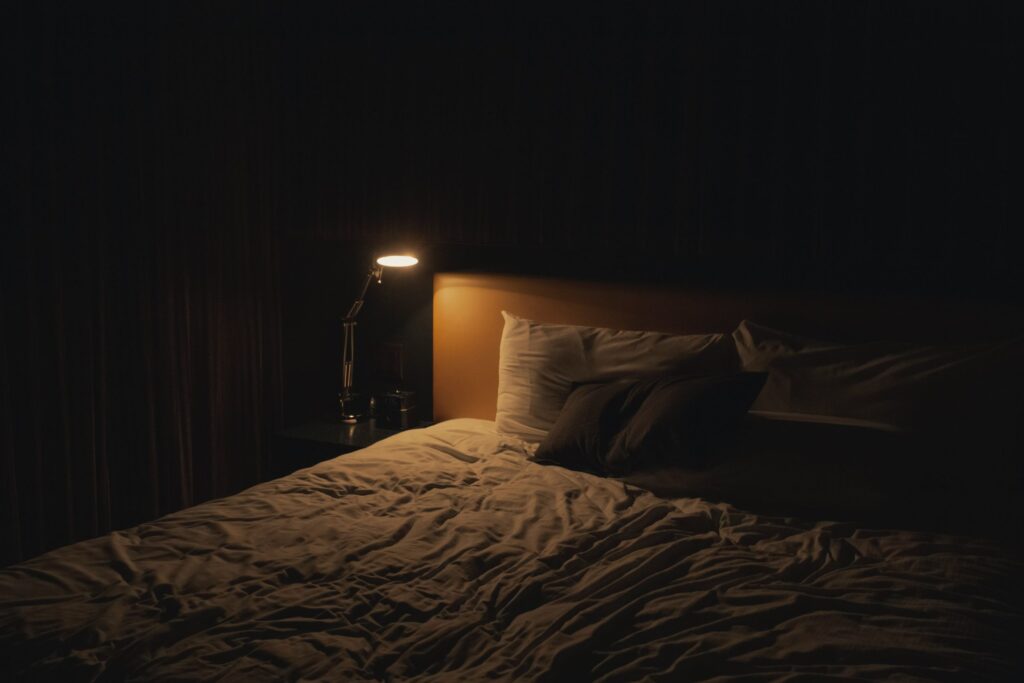
Your room should be cool, dark and quiet:
Phones, tablets and TVs keep your brain alert, and their bright light can delay sleepiness. Try to stop scrolling at least 30–60 minutes before bed. Keep your phone out of reach, or switch on night mode and silence notifications.
Doing the same calming things each night tells your body it is time to wind down. Try a warm bath or shower, light stretching, prayer or meditation, slow breathing, or reading a book.
A simple breathing exercise: breathe in through your nose for 4 seconds, hold for 4, and breathe out slowly through your mouth for 6. Repeat for a few minutes.

A racing mind is one of the most common reasons people cannot sleep. Earlier in the evening, write down what is on your mind and a next step for each item, then set the list aside for tomorrow. As we say, “Relax, problem no dey finish.” If stress or anxiety is keeping you awake most nights, talk to someone. See our tips to protect yourself from stress and mindfulness techniques for stress and anxiety.

A short nap of 20–30 minutes can refresh you, but long or late naps make it harder to sleep at night. Avoid napping after about 3pm. If you work night shifts, a planned nap before work can help make up for lost sleep.
Regular physical activity helps you fall asleep faster and sleep more deeply. Aim for at least 30 minutes most days, such as brisk walking. Finish vigorous workouts a few hours before bed if you find they keep you awake. See our ten benefits of exercise.
Sleeping tablets bought without a prescription can be habit-forming, cause next-day drowsiness and hide an underlying problem. Many people with long-term insomnia do best with a type of talking therapy called CBT for insomnia (CBT-I). Speak to a doctor before using any sleep medicine.

Everyone has the occasional bad night. See a doctor if:
A doctor can look for underlying causes and help you get the rest you need. Reliance HMO members can speak to a doctor on the Reliance Care app, or book an appointment at a Reliance Family Clinic. Download it for iPhone or Android.
Read next: 5 self-care tips for busy people.
Planning ahead? See how much an HMO costs in Nigeria and how health insurance for individuals works.
This article is for general information and does not replace advice from your doctor.


